The traditional marketing funnel has long been the cornerstone of B2B marketing strategies. It provides a linear path from awareness to purchase, categorizing prospects based on their stage in the buying journey. However, this model often oversimplifies the complexities of human buying behavior. Today’s B2B customers demand a more immersive experience, one that acknowledges their unique needs and priorities throughout their journey.
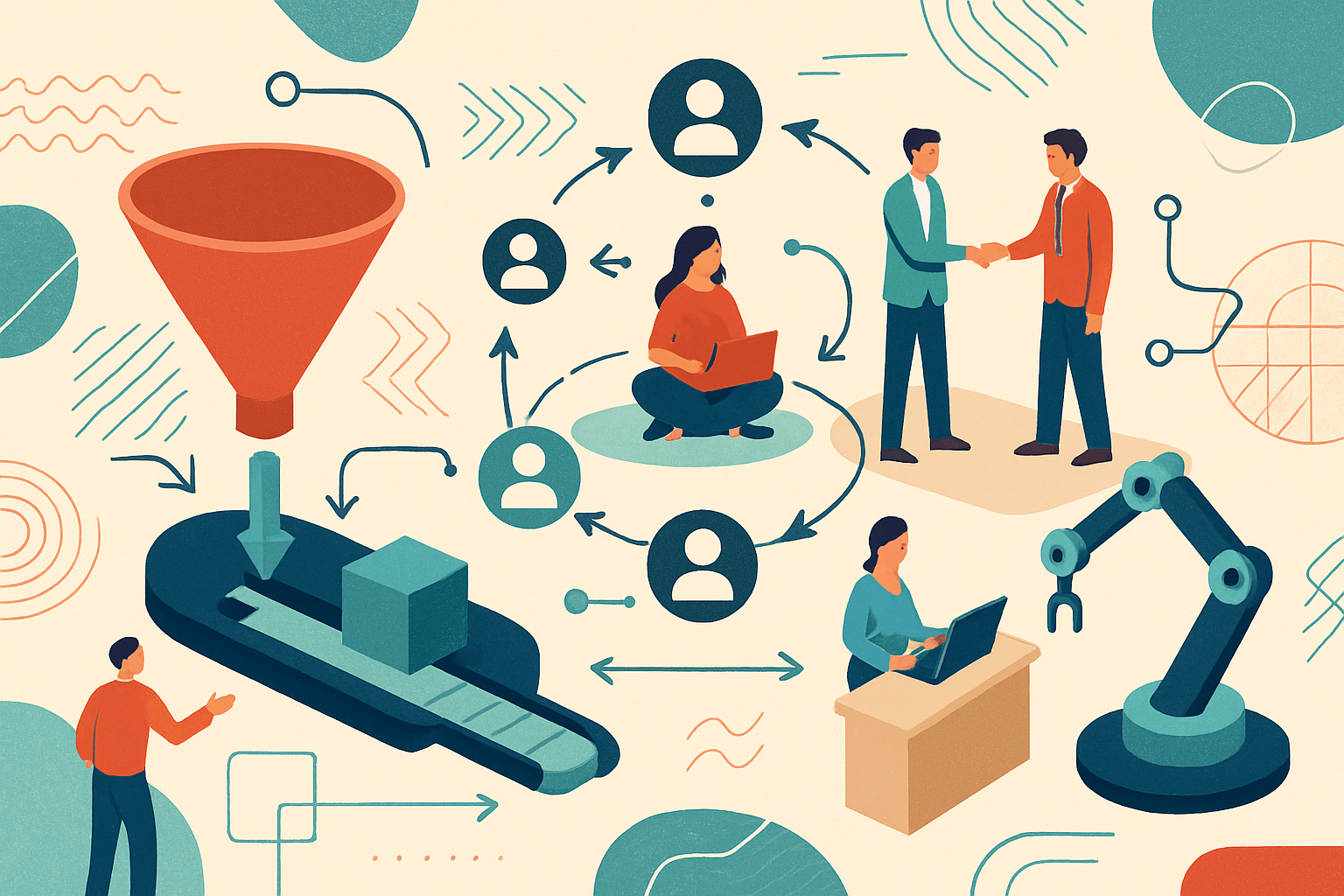
In a conventional funnel, potential customers enter at the top, gradually moving down through stages: awareness, interest, consideration, intent, evaluation, and purchase. While this model serves as a basic framework, it doesn’t account for the interruptions and varied touchpoints that modern buyers interact with during their decision-making process. As buyers become more informed and empowered, the linear funnel starts to break down, leading to new models that embrace a customer-centric approach.
The challenge for marketers is to adapt to this shift, evolving beyond the confines of the funnel to engage customers through a personalized journey. One of the most significant barriers is the risk of maintaining status quo practices that don’t resonate with today’s buyers. By embracing change and focusing on the customer experience, businesses can unlock new opportunities for growth and retention.
Shifting towards a customer-centric approach in B2B marketing is essential for cultivating deeper relationships and driving sustainable business success. A customer-centric journey places emphasis on understanding customer needs, preferences, and pain points, moving away from a one-size-fits-all strategy. This paradigm shift fosters loyalty and advocacy, as customers feel valued and understood.
For example, a leading software company transitioned from a sales-heavy approach to a customer-centric journey. They implemented a feedback loop, enabling teams to gather insights from clients continuously. This strategy not only improved their product offerings but also increased customer satisfaction, resulting in a 25% boost in retention rates.
Moreover, customer-centric strategies help businesses remain competitive in an increasingly crowded marketplace. Buyers today are savvier; they seek solutions tailored to their unique challenges rather than generic products. By placing the customer at the heart of their marketing efforts, B2B companies can create meaningful interactions and establish brand loyalty that lasts.
The transition from a funnel model to a customer-centric journey requires strategic planning and commitment. Here’s a structured, step-by-step workflow you can execute this week:
By following these steps, you can begin to foster a culture that prioritizes customer experience, leading to increased loyalty and business growth.
To ensure the success of your customer-centric journey, consider utilizing a framework that encompasses key focus areas:
This framework not only helps in implementing a customer-centric approach but also serves as a checkpoint to evaluate ongoing efforts.
A prominent B2B manufacturing brand implemented a customer-centric strategy and enjoyed remarkable results. They recognized that their traditional funnel approach was limiting their engagement levels. By understanding their customers’ needs and preferences through analytics and direct feedback, they personalized their offerings effectively.
As a result of their transition to a customer-centric journey, they experienced a 30% increase in lead conversion and a significant improvement in customer retention. Moreover, their NPS rose sharply, indicating heightened customer satisfaction. This example illustrates that by focusing on the customer’s needs and experiences, businesses can achieve impressive results.
Many marketers still believe that the funnel model is sufficient for guiding B2B marketing efforts. However, this perspective can be misleading. While the funnel provides a basic visualization of the buying process, it doesn’t capture the dynamic nature of customer decision-making and the importance of maintaining ongoing relationships. Customers often revisit and skip stages based on their experiences and new information.
Furthermore, adhering rigidly to the funnel can lead businesses to overlook critical opportunities for engagement. By focusing solely on moving customers through a predetermined path, companies risk missing out on nurturing relationships that go beyond transactional interactions. The most successful B2B companies today are those that adapt their strategies to the unique journeys of their customers, offering relevance over rigid models.
Establishing clear KPIs is essential for assessing the effectiveness of your customer-centric B2B journey. Key performance indicators could include:
Common pitfalls to avoid when implementing a customer-centric journey include: failing to gather and act on customer feedback, neglecting to train staff on customer-centric methods, and not continuously evolving strategies based on data and insights. Staying mindful of these challenges will help ensure a successful transition towards a more customer-focused approach.
Now is the time to embrace the future of B2B marketing by adopting a customer-centric approach. Begin by mapping your current customer journey and identifying areas for improvement. Gather insights from your customers, train your teams, and create personalized content that resonates with their needs. Monitor your key performance indicators to measure success, and remain adaptable to feedback and new data.
Embracing a customer-centric B2B journey not only improves customer satisfaction but also drives sustainable business growth. As the market continues to evolve, those who prioritize the customer journey will not only stay relevant but also thrive. Take action today and start transforming how your business interacts with customers—your success depends on it!