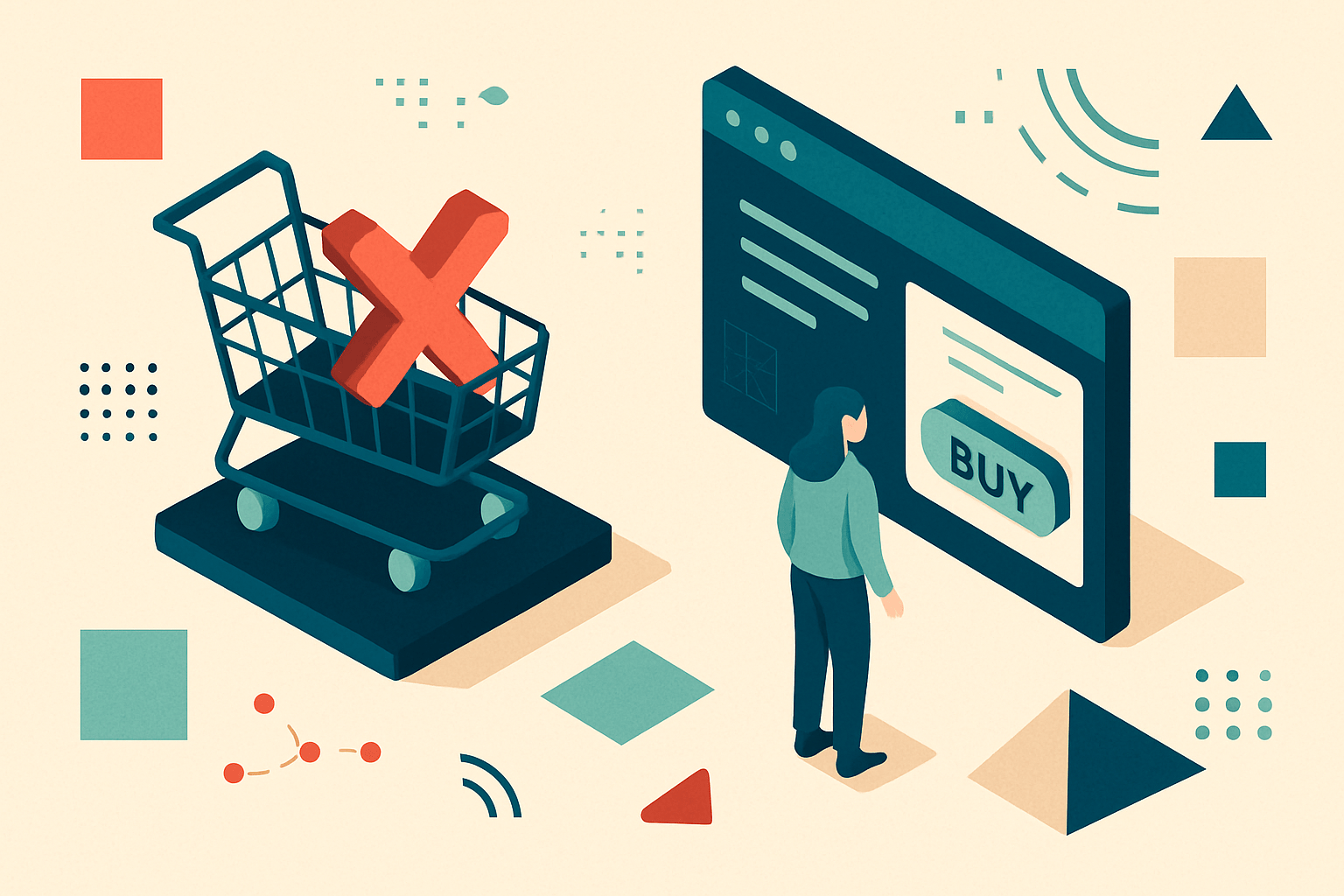
Checkout abandonment is not just a technical issue. It is a profound brand problem that impacts your e-commerce success. When customers abandon their carts, they are making a choice to disengage with your brand at a crucial moment. This decision can reflect broader issues related to customer experience, trust, and the perceived value of your offerings. Therefore, addressing checkout abandonment should be a fundamental priority for every marketing leader and creative director aiming to enhance brand loyalty and sales conversion rates.
Every e-commerce platform faces checkout abandonment, but how we respond to it can define our brand’s reputation. A high abandonment rate often signifies that potential customers are experiencing barriers that deter them from completing their purchase. This presents an opportunity not just to fix technical glitches but to align your brand promise with customer expectations effectively.
Consider how customers view their shopping journey. As they progress through your website, their expectations grow. They are not just looking for products. They seek a seamless experience that reflects the quality and integrity of your brand. Therefore, if they face obstacles at checkout, it can lead them to question their decision to purchase from you at all. In the end, checkout abandonment is a reflection of the brand experience you are delivering.
The financial impact of checkout abandonment cannot be overstated. According to recent studies, almost 70% of online shopping carts are abandoned before purchase. This statistic translates to billions of dollars in lost sales globally. Each undefined purchase represents not just lost revenue but also potential lifetime customer value. If we consider that acquiring new customers is generally far more expensive than retaining existing ones, it becomes clear that mitigating checkout abandonment represents a key opportunity in maximizing profitability.
It is essential to realize that the ramifications of unchecked abandonment extend beyond immediate sales. Each abandoned cart can erode potential customer trust and loyalty, leading to negative perceptions of your brand. Customers may share their experiences with others or choose not to return, which compounds the issues associated with abandonment. As such, addressing this issue is critical for maintaining a healthy brand reputation in the highly competitive e-commerce landscape.
To illustrate, take the case of Brand A, an online retailer that was experiencing high abandonment rates. They discovered through customer feedback that guests encountered confusion during the checkout process, specifically related to shipping costs and payment options. After simplifying their checkout flow and being transparent about total costs upfront, they saw a 25% decrease in abandonment rates and a corresponding increase in conversion rates. This highlights the importance of understanding how systemic issues contribute to checkout abandonment.
The customer experience encompasses every interaction a buyer has with your brand, from website navigation to post-purchase follow-up. If any part of that journey is fraught with complications, customers can be easily deterred from completing a transaction. Therefore, building a streamlined checkout process is not merely a logistical endeavor; it is a fundamental component of your overall brand strategy.
To increase completion rates, focus on eliminating friction points in your checkout process. This might involve other enhancements, such as optimizing mobile responsiveness, offering guest checkout, or implementing multiple payment solutions. If your checkout page struggles to display accurately on mobile devices, for instance, you risk alienating a significant portion of your market. In the age of mobile commerce, it is essential to cater to this demographic by ensuring that your platform performs with optimal efficiency across all devices.
Taking a holistic view of the customer experience also means training your customer service team to address inquiries and issues effectively. A quick response time and knowledgeable support can significantly improve customer trust, leading to lower abandonment rates. Consider the example of Brand B, which excelled in customer service responsiveness. They reported a direct correlation between timely support and reduced abandonment rates, showcasing the importance of a customer-first mindset.
When addressing checkout abandonment as a brand problem, identifying key performance indicators (KPIs) is crucial for tracking the effectiveness of your strategies. Start by measuring your current abandonment rate; this is the percentage of users who add items to their cart but do not complete the purchase. From there, you can break down the metric further by analyzing behaviors across demographic segments and device types.
Other KPIs to consider include conversion rate, which measures the number of completed purchases as a percentage of total visitors, and average order value, which provides insight into how much revenue you generate per transaction. Tracking these metrics allows you to correlate the changes you make in your checkout process with tangible business outcomes. Moreover, by capturing customer feedback through follow-ups, you can gain a better understanding of customer sentiment about their shopping experience.
However, do not overlook the common pitfalls that could interfere with your progress. For instance, constantly changing your checkout process without sufficient analysis can lead to confusion and distrust among customers, further compounding your issues. Instead, focus on making informed, data-driven adjustments and continuously monitor their outcomes for ongoing improvement.
Despite widespread recognition of checkout abandonment’s impact, there remains a common misconception that it is solely driven by price sensitivity. While pricing issues indeed affect shopping behavior, addressing checkout abandonment requires a multifaceted approach. Recognizing this misconception allows brands to explore deeper underlying causes that may be at play.
Many customers abandon their carts due to a less favorable customer experience. Poor website navigation, a lack of payment options, unexpected shipping costs, or overly complicated checkout forms can all lead potential buyers to disengage. Therefore, creative directors and marketing leaders must actively work to understand all factors influencing abandonment rates, rather than attributing it to price alone.
By recognizing that checkout abandonment is more than a simple price problem, brands can strategize effectively to treat the symptoms instead of just the apparent cause. This shift in perspective will help develop comprehensive strategies aimed at enhancing the overall customer experience, creating lasting relationships that drive repeat purchases.
To begin tackling checkout abandonment as a brand problem, follow this step-by-step workflow. This can be executed within the coming week to make immediate improvements to your e-commerce strategy:
It’s clear that checkout abandonment is not just an isolated issue; it represents a broader brand challenge that can significantly impact your business. By improving the customer experience, you can turn abandonment rates around and build stronger connections with your audience. Consider how the changes you make today can directly influence your bottom line tomorrow.
Now is the time to act. Start by analyzing your current processes, gather meaningful feedback from your customers, and initiate changes that reflect their desires. By doing so, not only will you improve your conversion rates, but you will also reaffirm your brand values, ultimately fostering loyalty and trust. Engage with your brand stakeholders, align on shared objectives, and put frameworks in place to monitor your progress.
Take the challenge of checkout abandonment head-on, and transform your brand for greater success in the e-commerce arena.