Boost Sales with AI-Optimized Product Pages

Boost Sales with AI-Optimized Product Pages

Unlock the Power of AI for Your Product Pages

Transform your e-commerce strategy with AI-optimized product pages that drive sales and engagement.

0:00 / 0:00
Boost Sales with AI-Optimized Product Pages

Understanding the Role of AI in E-commerce

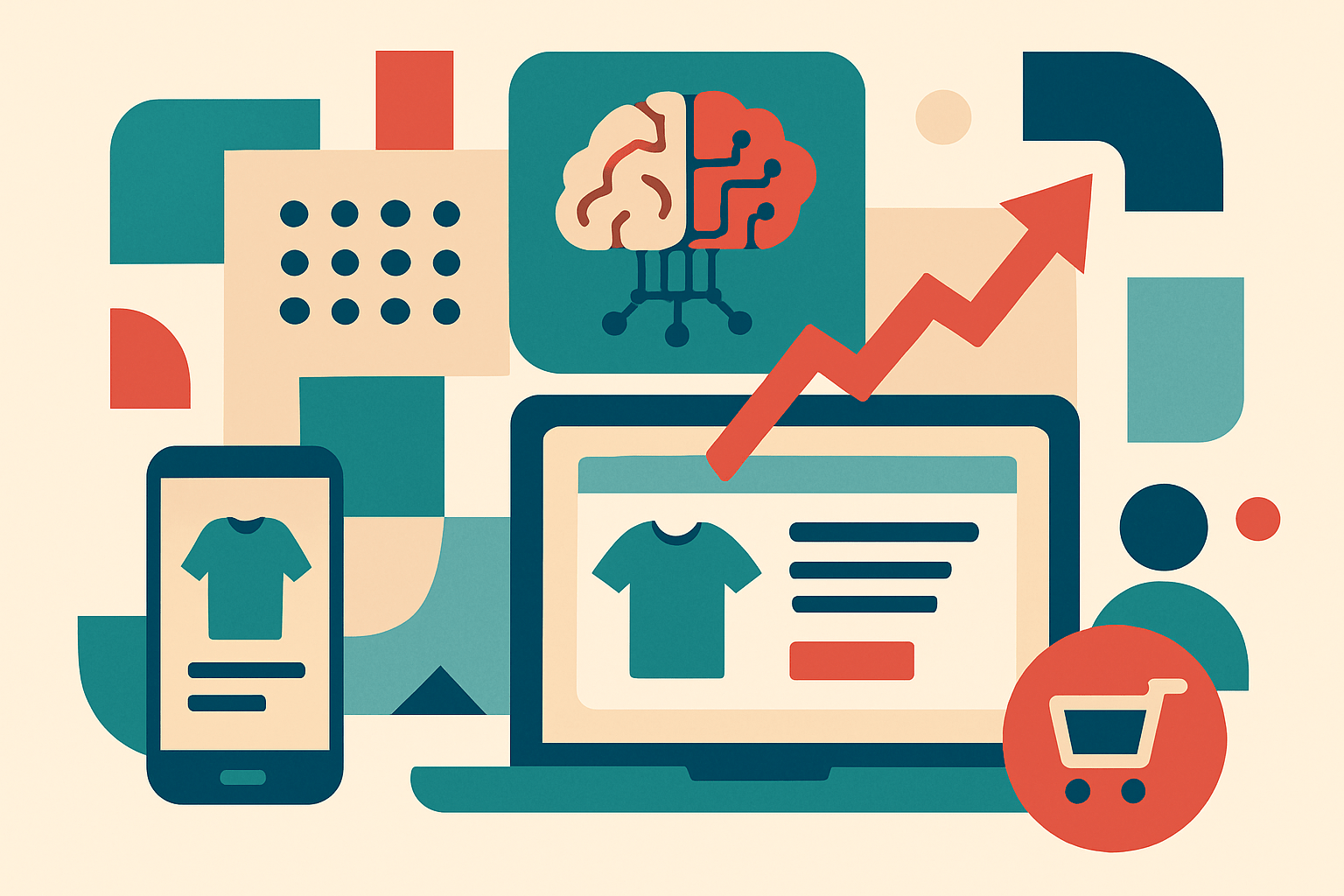
The rise of e-commerce has transformed how consumers shop, and businesses must innovate to keep up. One of the most effective ways to boost sales is through AI-optimized product pages. These pages utilize artificial intelligence to analyze user behavior, optimize content, and improve the overall shopping experience.

Artificial intelligence can provide insights that are beyond human capability. It can analyze vast amounts of data, recognize patterns, and make real-time adjustments to product information, images, and layouts, ultimately leading to enhanced user engagement and increased conversion rates.

As e-commerce evolves, businesses that harness the power of AI will likely lead the market. Implementing AI-optimized product pages allows you to understand customer preferences and tailor the shopping experience to match them. This not only improves the potential for sales but also builds a loyal customer base.

The Essentials of AI-Optimized Product Pages

To fully benefit from AI-powered product pages, there are several elements that should be focused on: personalized content, user-friendly layouts, and efficient use of imagery and video. Each of these components contributes to creating a seamless, engaging shopping experience for users.

Personalized content can transform the way customers perceive your products. By leveraging AI algorithms, you can deliver tailored recommendations based on browsing history, purchase behavior, and preferences. For example, if a consumer frequently shops for outdoor gear, your product page can prioritize outdoor clothing, hiking gadgets, and other related items.

User-friendly layouts play a crucial role in keeping visitors on your site longer. An AI platform can help determine the optimal arrangement of elements on product pages, ensuring that the most attractive images and enticing copy are displayed prominently, naturally guiding customers to purchase.

Concrete Examples of AI Optimizations

Let’s take a look at two poignant examples that illustrate the power of AI-optimized product pages. The first example is a well-known clothing retailer that implemented AI to personalize shopping experiences. By analyzing customer behavior, they were able to automatically suggest items that complemented previous purchases or viewed products. This led to a noticeable increase in their conversion rate, as customers were more likely to add suggested items to their carts.

The second example comes from a tech company that sells electronic gadgets. They utilized AI to generate unique product descriptions based on customer reviews and feedback. Instead of generic descriptions, their product pages featured authentic and relatable descriptions, which significantly increased user engagement. Customers felt a connection to the products, which improved their overall shopping experience and drove more sales.

Implementation: Actionable Steps to Optimize Product Pages

Implementing AI optimization does not have to be a monumental task. Follow these step-by-step actions this week:

  1. Assess Current Product Pages: Take a close look at your existing product pages. Note which elements are performing well and which could use improvement.
  2. Leverage AI Tools: Research and select AI tools that fit your budget and needs. Look for platforms that offer user behavior analytics and content optimization.
  3. Integrate Personalization: Set up a system that tailors product recommendations to individual users. Make sure to incorporate it into your product pages.
  4. Enhance Visual Content: Use high-quality images and videos, and consider AI services that can automatically adjust these visuals based on user preferences.
  5. Monitor and Adjust: After making changes, use analytics tools to measure improvements in user engagement, conversion rates, and sales.

Measuring Success with KPIs

Determining the effectiveness of your AI-optimized product pages is essential for continuous improvement. Focus on tracking these key performance indicators (KPIs):

  • Conversion Rate: This is the percentage of visitors who make a purchase. An increase here indicates that your optimizations are effective.
  • User Engagement: Monitor metrics such as time on page and bounce rates. Higher engagement suggests that users are finding the information useful and enticing.
  • Sales Growth: Ultimately, tracking sales growth will help you understand the financial impact of your AI optimizations.

A Common Misconception About AI in E-commerce

Many professionals believe that AI optimizations are solely for large corporations with ample resources. This belief can deter small and mid-sized businesses from embracing AI solutions. However, there are several budget-friendly AI tools designed for businesses of all sizes, allowing everyone to benefit from enhanced product pages.

In reality, the implementation of AI is more accessible than ever. With numerous affordable platforms available, even a small online shop can utilize AI to optimize product pages, resulting in increased sales just like the industry giants.

AI-Enabled E-Commerce Platforms

Jasper AI

What it does

  • Generates product descriptions, ad copy, and long-form content.
  • Speeds up catalog build-out and SEO content creation.

Best for

  • Brands with many SKUs that need consistent, on-brand copy at scale.
  • Teams that want to reduce manual copywriting time.

Notes

  • Offers templates for e-commerce, blogs, and ads.
  • Good fit when you want a content layer that sits on top of any platform.

Website
https://www.jasper.ai


Copy.ai

What it does

  • AI-powered copywriting for product pages, landing pages, and short-form marketing copy.
  • Turns minimal input into polished descriptions.

Best for

  • Small to mid-sized catalogs that need quick, decent copy.
  • Teams that want a light, flexible tool without heavy setup.

Notes

  • Good for fast iterations on messaging and testing different angles.

Website
https://www.copy.ai


Hypotenuse AI

What it does

  • Bulk product description generation.
  • Enriches product data with consistent titles, bullets, and long descriptions.

Best for

  • Large catalogs and marketplaces with many SKUs.
  • Merchants expanding into multiple channels that need structured copy.

Notes

  • Strong at bulk workflows and CSV-style catalog imports.

Website
https://www.hypotenuse.ai


OptiMonk (Smart Product Page Optimizer)

What it does

  • AI-assisted product page optimization.
  • Suggests and tests improvements for copy, layout, and conversion elements.

Best for

  • Brands that already have live product pages and want higher conversion rates.
  • Teams who do not want to rebuild templates from scratch.

Notes

  • Focuses on on-site behavior and conversion lifts.

Website
https://www.optimonk.com


Nosto

What it does

  • AI-powered personalization and merchandising.
  • Dynamic product recommendations, category merchandising, and content blocks.

Best for

  • Mid-sized and enterprise ecommerce brands with enough traffic to benefit from personalization.
  • Stores that want on-site experiences tailored to each user.

Notes

  • Integrates with major platforms such as Shopify, Magento, and others.
  • Uses predictive, semantic, and visual signals to customize experiences.

Website
https://www.nosto.com


Bloomreach

What it does

  • Commerce experience platform with AI-driven search, recommendations, and content personalization.
  • Optimizes product discovery and site-wide experience.

Best for

  • Retailers wanting a full personalization and discovery stack instead of point solutions.
  • Teams focused on search quality and merchandising.

Notes

  • Strong search and category experience tools.
  • Often used by larger or fast-growing brands.

Website
https://www.bloomreach.com


Insider

What it does

  • Omnichannel personalization and customer experience platform.
  • Personalizes web, app, email, and other channels from one system.

Best for

  • Brands that want unified personalization across site and lifecycle marketing.
  • Teams that care about segmentation and journey orchestration.

Notes

  • Useful if you want consistency between on-site experiences and campaigns.

Website
https://useinsider.com


Adobe Target

What it does

  • Enterprise-grade A/B testing, multivariate testing, and AI-powered personalization.
  • Optimizes websites, mobile apps, and other digital properties.

Best for

  • Enterprises or high-traffic brands that need robust experimentation and governance.
  • Teams already in the Adobe ecosystem.

Notes

  • Powerful but heavier to implement.
  • Works best when you have clear testing discipline and traffic volume.

Website
https://business.adobe.com/products/target/adobe-target.html


Netcore Cloud

What it does

  • AI-based personalization plus email and SMS marketing automation.
  • Product recommendations, segmentation, and campaign orchestration.

Best for

  • Brands that want on-site personalization and retention marketing in one tool.
  • Teams with a focus on repeat purchases and lifecycle value.

Notes

  • Good bridge between product experience and outbound messaging.

Website
https://netcorecloud.com


Madgicx

What it does

  • AI tool for optimizing e-commerce advertising and media spend.
  • Helps manage and improve Facebook, Instagram, and other ad performance.

Best for

  • Brands that are heavily dependent on paid social and paid media.
  • Teams wanting data-driven budget allocation and creative performance insights.

Notes

  • Focused on acquisition rather than on site UX, but closely tied to the performance of product pages.

Website
https://madgicx.com


What to do now

It’s time to put these powerful strategies into action and significantly boost sales with AI-optimized product pages. Start by assessing your current product pages and identifying areas that can be improved. From leveraging AI tools to personalizing your content, each step you take brings you closer to enhancing user engagement and increasing sales.

Don’t hesitate to experiment with different approaches, as AI provides fine-tuning capabilities that allow for adjustments based on real-time data. With each improvement, you’ll see your conversion rates soar, and your customers will enjoy a more tailored shopping experience.

By leveraging AI technology effectively, you can position your e-commerce business for lasting success and growth. Get started today—every moment spent optimizing your product pages is a moment closer to increased sales and enhanced customer satisfaction.


Share

LinkedIn
X
Email
Facebook
Telegram