To drive substantial growth in your SaaS business, employing targeted demand strategies is essential. These strategies focus on aligning your marketing efforts with specific audience segments. With the right approach, businesses can see a marked improvement in SaaS sales and customer acquisition. This article will delve into effective methods that creative directors and business leaders can implement to boost their SaaS performance.
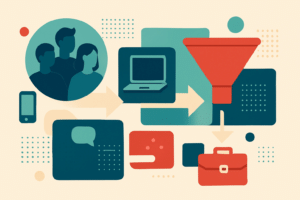
Demand generation is a multifaceted process of creating awareness and interest in your company’s products and services. In the SaaS landscape, it’s about crafting strategies that attract and engage potential customers who are most likely to benefit from your offering. Unlike generic marketing tactics, demand generation encompasses every touchpoint and interaction to nurture leads throughout the buying journey.
Focusing on high-quality lead generation is crucial for optimizing sales performance. Employing data-driven insights helps identify and target the right prospects, ensuring that marketing resources are utilized efficiently. Let’s explore how tailored strategies can make a difference in your SaaS demand generation efforts.
Creating detailed buyer personas is a fundamental step in understanding your audience. These personas represent your ideal customers based on research and data. By defining their demographics, behaviors, and pain points, marketers can tailor messages that resonate deeply with potential clients.
An effective persona should include details such as job role, industry, challenges, and decision-making criteria. This information enables marketers to design campaigns that address specific needs, enhancing the chances of conversion. For instance, a SaaS company targeting project managers could highlight features like collaboration tools and reporting capabilities.
Developing personas not only aids in crafting messages but also in choosing the right channels and timing for campaigns, making your marketing more effective and laser-focused.
Data and analytics play a vital role in optimizing your SaaS demand strategies. By analyzing customer behavior and market trends, companies can identify opportunities and gaps in their outreach efforts. Leveraging data analytics allows for more informed decision-making and precision in targeting.
One approach is to use predictive analytics to forecast customer needs and preferences. By understanding what drives engagement, marketing leaders can personalize their campaigns more effectively.
For example, a SaaS firm might use customer data to pinpoint common obstacles in the onboarding process, allowing them to adjust their product demonstrations accordingly and reduce churn rates.
Ultimately, data-driven insights create a roadmap for enhancing customer acquisition and retention.
Content marketing remains a powerful tool for generating demand when executed with purpose. In the SaaS world, providing educational and valuable content can position your brand as an industry authority. This builds trust and helps guide potential customers through the buyer’s journey.
Crafting content that addresses specific customer pain points is essential. Whitepapers, case studies, and how-to guides are effective formats for educating and engaging your audience.
Video content, especially product demos and testimonials, has gained popularity as a means of engaging users. Videos can simplify complex concepts and showcase real-world applications, making them a potent tool in your content arsenal.
Consider creating a series of short instructional videos addressing common customer queries. This not only aids in customer education but also establishes your brand as an accessible and helpful partner.
Email marketing remains a cornerstone for SaaS demand generation. Tailored email campaigns can reach the right audience at the right time with personalized messages, enhancing customer engagement.
Segmenting audiences based on behavior and preferences allows for more targeted communication. For instance, sending personalized onboarding tips to new users can facilitate smoother adoption, while promotional offers can reactivate dormant users.
Automation tools can aid in scaling these efforts while maintaining a personal touch. A well-timed, informative email can reinforce your value proposition and convert leads into loyal customers.
Let’s explore a company that excelled with a targeted email strategy. A leading project management tool utilized demographic and behavior-based segmentation, enabling them to send tailored feature announcements that resonated with specific user groups. As a result, they saw a 25% increase in engagement and a significant boost in renewals.
A widespread misconception is the belief that demand generation is all about quantity over quality. Many companies focus on generating as many leads as possible, overlooking the relevance and readiness of these prospects.
This approach can dilute brand messaging and waste resources. Instead, prioritizing high-quality leads who are genuinely interested and ready to convert can result in better ROI and sustainable growth.
Setting clear KPIs is imperative for evaluating the effectiveness of your demand strategies. Metrics like lead conversion rate, customer acquisition cost, and customer lifetime value provide valuable insights into campaign performance.
It’s crucial to regularly assess these metrics and adjust your strategies accordingly. Keeping an eye on common pitfalls such as unclear messaging or misaligned targeting can help refine your approach for better results.
To put these strategies into practice, follow these steps over the next week:
Now is the time to implement these targeted demand strategies and witness their impact on your SaaS sales. By identifying and engaging the right prospects, your business can achieve sustainable growth and establish a strong foothold in the SaaS arena. Start integrating these strategies into your marketing today to stay ahead of the competition. For more personalized guidance, contact us.