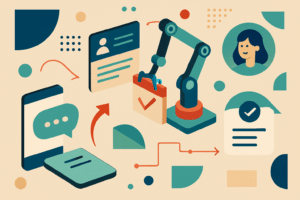
The integration of artificial intelligence into the marketing landscape has been revolutionary, offering unprecedented insights and automation capabilities. However, with these advancements comes the critical challenge of keeping your brand safe from AI misrepresentation. As more firms rely on AI-driven solutions to define and drive their brand narratives, the potential for misinterpretation and error grows exponentially. Ensuring brand safety in this new frontier requires vigilance and strategic oversight.
Artificial intelligence can inadvertently distort brand messages due to flawed algorithms, biased data inputs, or insufficient oversight. As businesses across sectors adopt AI tools, it’s essential to understand the pitfalls that can undermine brand reputation and integrity. Often, the issue stems not from malicious intent, but from a simple misalignment between AI capabilities and brand goals. Hence, proactive measures are necessary to mitigate risks and preserve brand reputation.
Unfortunately, misconceptions about the infallibility of AI often exacerbate the risk of misrepresentation. It’s a common misconception that AI can operate autonomously without a hitch. In reality, human oversight remains crucial to ensure AI-driven marketing strategies align with established brand values. By acknowledging the limitations of AI, businesses can implement safeguards to minimize potential damage to their brand’s image.
Foremost among the strategies to protect against AI misrepresentation is establishing a framework for robust oversight. This involves defining clear protocols for AI deployment, including continuous monitoring and evaluation of AI outputs to ensure they reflect brand values accurately. By implementing regular checks on AI-generated content, businesses can identify and rectify potential misalignments swiftly and effectively.
Another critical tactic is investing in comprehensive training and education for your team. Equip your marketing and brand teams with a thorough understanding of AI tools and their limitations. This empowers them to identify potential discrepancies and apply necessary corrections before they impact brand reputation. Familiarizing the team with AI processes allows for better integration with human oversight, improving the accuracy and reliability of AI-driven marketing efforts.
In addition to internal measures, developing partnerships with AI providers committed to ethical practices can significantly enhance brand protection. These collaborations can ensure that AI tools prioritize transparency and are designed to minimize biases. Vetting your technology partners rigorously helps ensure that their values align with your brand’s ethical standards.
To successfully implement these strategies, follow this step-by-step workflow:
By deploying this structured plan, your brand will be better equipped to handle the intricacies of AI-driven marketing and safeguard against potential misrepresentation effectively.
Consider a leading retail brand that incorporated AI to personalize customer engagement campaigns. Initially, the AI tool suggested content that didn’t align with the brand’s established tone, leading to customer confusion and some damage to brand reputation. By introducing a human review stage into their content strategy, the brand managed to refine AI suggestions before finalizing outbound communications. This hybrid model proved successful in reconciling technological efficiency with brand consistency.
In another example, an international food and beverages company faced backlash due to AI-generated social media posts that inadvertently echoed insensitive historical references. By pausing their AI tool and enhancing it with additional cultural datasets and sensitivity training for the review team, the company swiftly managed the crisis and restored its brand image.
A common myth in the marketing industry is the notion that AI tools can operate flawlessly without human intervention. However, as the examples above indicate, oversight remains indispensable. The belief in autonomous AI can lead to complacency, increasing the risk of brand misrepresentation. The technology is only as effective as the human insights guiding its application. Thus, striking a balance between automation and human involvement is paramount for maintaining brand safety.
To measure the effectiveness of your AI governance initiatives, define clear KPIs such as reduced misrepresentation incidents, improved brand sentiment, and customer feedback positivity. Regularly analyze whether AI tools enhance operational efficiency without compromising brand safety. Periodic benchmarking against competitors can also provide valuable insights into the effectiveness of your strategy.
One common pitfall to avoid is over-reliance on AI tools without considering their impact on the customer experience. Technology should enhance, not replace, human touchpoints in brand interactions. Maintaining a customer-centered approach ensures that AI tools serve the brand and its audience effectively.
Don’t wait until misrepresentation impacts your brand’s reputation. Start implementing these strategies this week to proactively protect your brand from AI misrepresentation. Engage your team, evaluate your AI tools, and solidify partnerships that prioritize ethical AI practices. By following the guidance provided, you can fortify your brand’s integrity and navigate the AI-driven marketing landscape with confidence. Begin your journey today and safeguard your brand’s future.