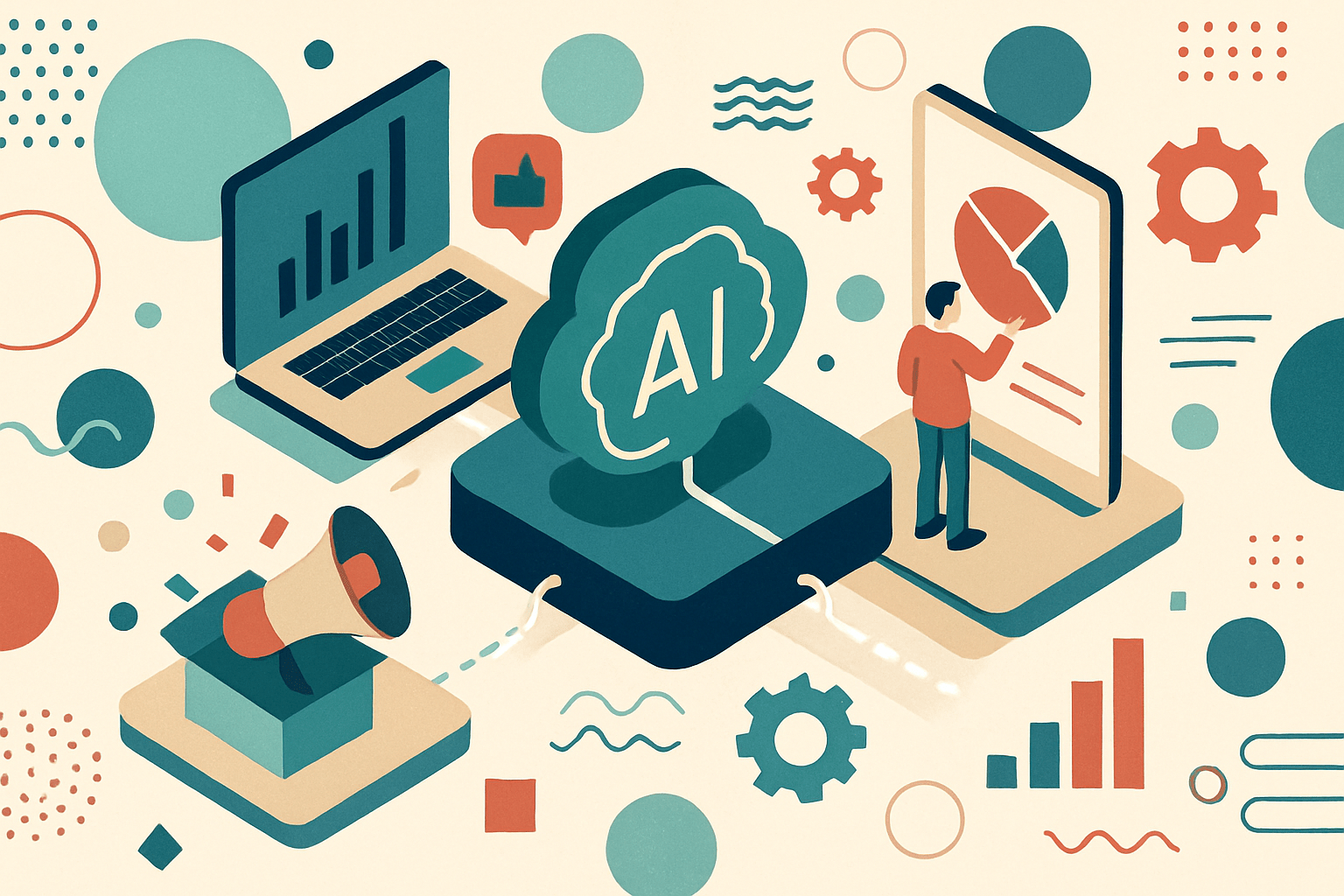
The integration of AI and AI agents into your marketing workflows can exponentially enhance operational efficiency and creativity. This transformative technology is not just a trend. It’s a game changer that helps businesses automate repetitive tasks, gain insights from data, and tailor customer experiences. By adopting AI, marketing teams can shift their focus from mundane tasks to strategic initiatives that drive growth.
In today’s marketplace, where consumer expectations are rising, integrating AI solutions allows businesses to not only keep pace but also stay ahead. For instance, AI can analyze consumer behavior and preferences, allowing brands to deliver personalized marketing messages that resonate with individual audiences. Consider how Netflix employs AI algorithms to recommend shows based on user preferences, leading to increased engagement and consumer loyalty.
As creative directors, marketing leaders, and business-minded professionals, recognizing the relevance of AI integration is crucial. However, many still approach AI with hesitance, fearing complexities and job displacement. This guide will break down the process into three actionable steps, making it easier for you to embrace this technology.
Before diving into the world of AI, it’s imperative to take stock of your existing marketing workflows. What tasks are consuming the most time? Where do you experience bottlenecks? A thorough evaluation will help identify which areas could benefit the most from AI integration.
For example, a digital marketing agency might find that content creation takes longer than expected due to extensive research and drafting. By implementing AI-driven content generation tools like Copy.ai or Jasper, the agency could significantly reduce this time, allowing for more engagement with clients and creative brainstorming sessions.
Make a checklist of activities performed within your workflows. Identify repetitive tasks such as data entry, email follow-ups, or performance analysis that can be automated. This list will not only help clarify where AI can fit but also provide a tangible action plan moving forward.
After assessing your workflows, the next step is identifying the right AI tools for your needs. There are countless options available, so focus on those that align with the problems you identified earlier.
For instance, if your marketing team struggles with social media management, tools like Hootsuite’s AI features can streamline post scheduling and performance reporting—all while providing chatbots for customer engagement. Alternatively, if your primary need is for data insights, you might explore AI analytics platforms like Google Analytics 4 for robust insights into customer behavior.
When selecting AI tools, consider ease of integration with your current systems. Look for platforms that offer compatibility with existing CRM or content management systems, ensuring a smooth transition without loss of productivity.
Once you’ve selected the appropriate AI tools, the third step involves training your team to use them effectively. AI integration isn’t about replacing human effort; it’s about augmenting it. Your team needs to understand how to leverage these tools to gain insights and improve performance.
Implement training sessions and workshops that focus on practical applications of the new software. Encourage team members to share their insights and experiences, fostering a collaborative environment. As an example, if you’ve introduced an AI-based email marketing tool, run a session where team members practice creating campaigns using AI-generated content.
Furthermore, monitoring progress is essential to assess the effectiveness of AI integration. Use KPIs such as customer engagement rates, conversion rates, and time saved on tasks to gauge success. These metrics will not only show improvements but also highlight areas for further adjustment.
Here’s a straightforward plan you can execute within a week to start integrating AI and AI agents into your marketing workflows:
Tracking the success of AI integration hinges on clear KPIs. Monitor metrics such as increased efficiency, reduced costs, and improved conversion rates post-implementation. Setting up dashboards that present these insights visually can also aid in quickly gauging performance.
However, be wary of common pitfalls. One major concern is underestimating the importance of team buy-in. If team members feel threatened by AI or do not understand its benefits, resistance can hinder implementation. Moreover, over-promising capabilities of AI can lead to disappointment; it’s vital to set realistic expectations regarding what AI can achieve.
Many individuals believe that integrating AI into marketing will entirely replace the need for creative thinking and human insight. However, this is a myth. In reality, AI is designed to enhance human creativity, not eliminate it. For example, utilizing tools like Canva’s AI design assistant provides inspiration and efficiency, but it does not negate the artist’s creative input.
Instead of viewing AI as a competitor, see it as a collaborator that takes over repetitive tasks, allowing creatives to focus on higher-level strategy and ideation. This collaborative approach transforms how teams work, combining the analytical prowess of AI with the unique perspectives of human marketers.
Now that you have a solid foundation for integrating AI into your marketing workflows, it’s time to act. Take the steps you’ve outlined, assess your tools, and train your team effectively. The early adoption of AI can place your organization at the forefront of innovation. Don’t hesitate—start transforming your processes today to reap the benefits of efficiency and creativity that AI has to offer. Reach out for personalized consultation and begin your AI journey now.