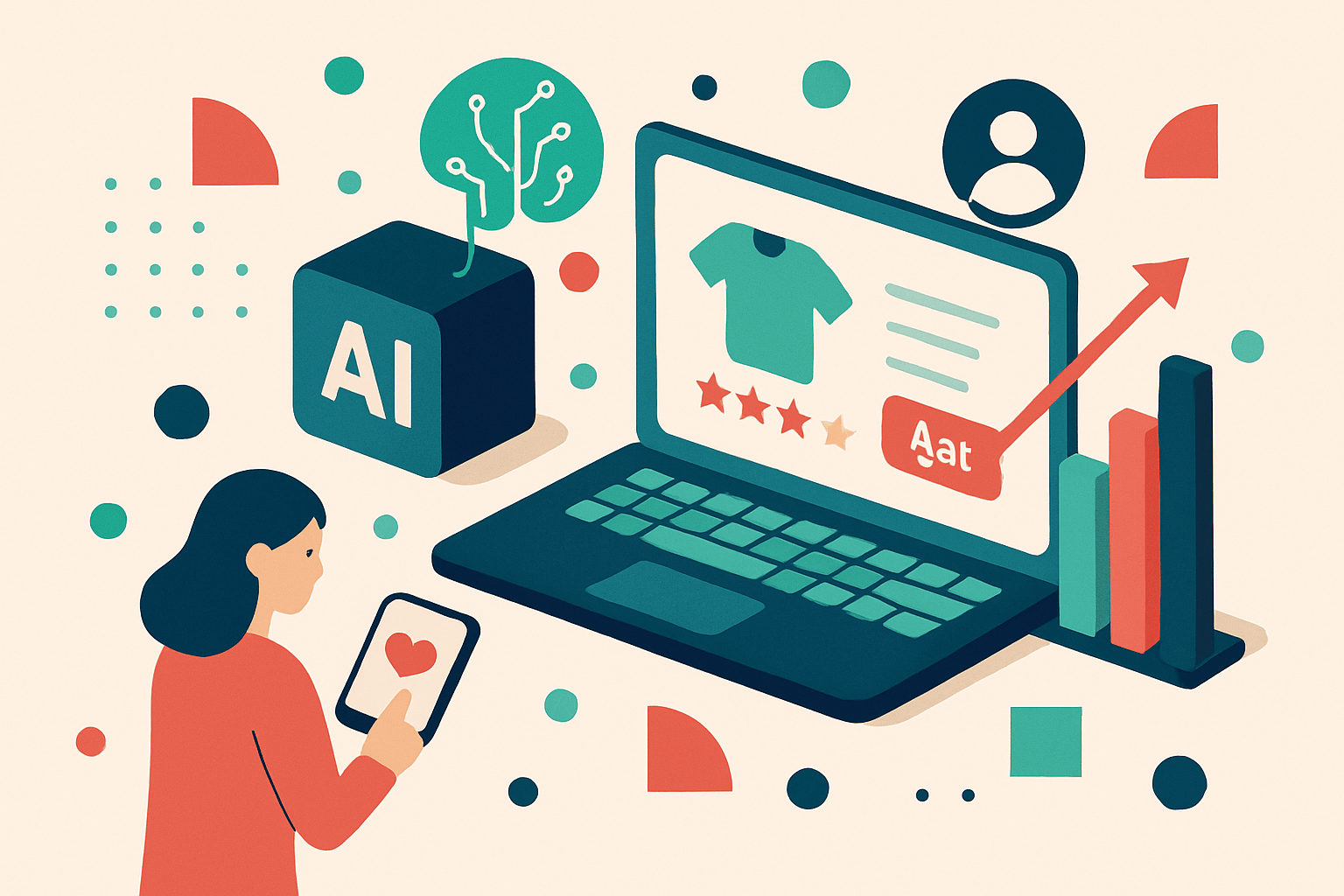
Artificial Intelligence, or AI, is transforming the landscape of ecommerce by enabling brands to optimize product pages effectively. By leveraging AI data analytics and machine learning, marketers can create tailored product experiences that significantly enhance user engagement and boost sales. AI can analyze user behavior, predict trends, and even generate personalized content that resonates with shoppers, making it a game-changer in the ecommerce space.
For instance, AI algorithms can quickly identify which product images or descriptions yield the best results based on historical data. This means businesses no longer have to guess what may appeal to their customers. Instead, they can base their decisions on concrete data-driven insights. Moreover, implementing AI solutions allows teams to focus on what they do best, crafting compelling narratives around their products while technology handles the heavy lifting.
Consider a leading apparel brand that integrated AI in its product page design. By utilizing recommendation engines, they presented personalized product suggestions based on previous purchases and browsing history, leading to a remarkable increase in conversion rates. Within months, they reported a 30% boost in sales attributed directly to the AI-optimized shopping experience, showcasing the capability of these technologies in enhancing e-commerce platforms. This proves that adopting AI is not just a trend but a necessary strategy for staying competitive.
User experience (UX) is pivotal in ecommerce, and AI plays a vital role in crafting exceptional experiences on product pages. An optimized user experience encourages visitors to engage with your products, leading to higher conversion rates. Elements such as page loading speed, mobile optimization, and intuitive navigation can all be refined using AI technologies.
AI improves product page UX by analyzing real user behavior at scale and automatically adapting the experience in response. Machine learning models can identify friction points such as slow-loading assets, ineffective layouts, or confusing navigation patterns, then optimize page structure, asset delivery, and content hierarchy to reduce drop-off. AI-driven personalization engines dynamically adjust product recommendations, imagery, copy, and pricing cues based on user intent, device type, location, and past behavior. On the performance side, AI can optimize image compression, lazy loading, and content prioritization to improve page speed across devices. Combined, these capabilities allow product pages to continuously evolve based on real usage data, creating faster, more relevant, and more intuitive shopping experiences that directly impact conversion rates. While AI is a powerful tool, its real impact on UX comes from automation, where insights are operationalized into repeatable systems that continuously optimize product pages without manual intervention.
Imagine integrating chatbots powered by AI that provide instant replies to customer inquiries about products. Such features can create a seamless shopping experience, ensuring customers feel supported throughout their journey. Similarly, AI can analyze visitor pathways and highlight the most effective layout designs, optimizing the interface accordingly to direct user attention to high-value products.
Furthermore, AI-driven analytics can help identify bottlenecks in the purchasing process. Are customers abandoning their carts at a specific point? Through data analysis, businesses can uncover patterns and tweak their product pages to enhance flow, ultimately driving higher sales. The beauty of AI lies in its ability to continuously learn and adapt, ensuring that your user experience evolves as buyer behaviors change.
Ready to elevate your product pages with AI? Follow this simple workflow that you can implement this week:
To sustain the benefits of AI product pages, it is essential to establish clear KPIs for measuring success. These include:
Common pitfalls to avoid include over-reliance on technology without human oversight, neglecting the importance of compelling storytelling in product descriptions, and failing to continuously analyze and adapt based on performance data. Maintaining a balance between technology and human creativity is essential for truly impactful pages.
One notable example of AI’s impact is seen in an ecommerce platform specializing in electronics. By employing AI-driven product descriptions that adapted to customer queries, they experienced a significant increase in engagement. This tailored approach led to a 25% rise in conversions, highlighting the effectiveness of personalized content.
Another anonymized case involved a fashion retailer that implemented AI for dynamic pricing strategies based on competitor pricing and demand fluctuations. This flexibility allowed them to adjust prices in real-time, leading to a 40% increase in transactions over three months as customers perceived greater value.
A common misconception surrounding AI in e-commerce is that it replaces human intuition and creativity. In reality, AI serves as a powerful complement to human skills. While AI analyzes vast amounts of data and provides actionable insights, it does not possess the innate creativity that humans bring to storytelling and brand building. Instead, it enhances your capacity to make informed decisions, ultimately leading to a more engaging product page.
AI becomes significantly more effective when paired with automation frameworks that operationalize its outputs at scale. Automation allows AI-driven insights to be applied consistently across product pages, triggering updates to layouts, content, performance optimizations, and personalization rules without requiring constant manual execution. Critically, well-designed automation frameworks also keep humans in the loop, enabling teams to review, approve, and monitor AI-driven changes before and after deployment. This balance ensures speed and scalability without sacrificing brand integrity, compliance, or creative judgment, allowing AI to augment human decision-making rather than replace it.
Now is the time to leverage AI and automation to transform your product pages into high-performing sales engines. By following the step-by-step implementation guide, setting clear KPIs, and continuously optimizing your approach, you can see tangible results in engagement and sales. Ready to embark on this technology-driven journey? Start enhancing your product pages this week and unlock the full potential of AI for your business.